Offer
Bitte geben Sie weitere Details zu Ihrem Angebot an.
FLASH SALE

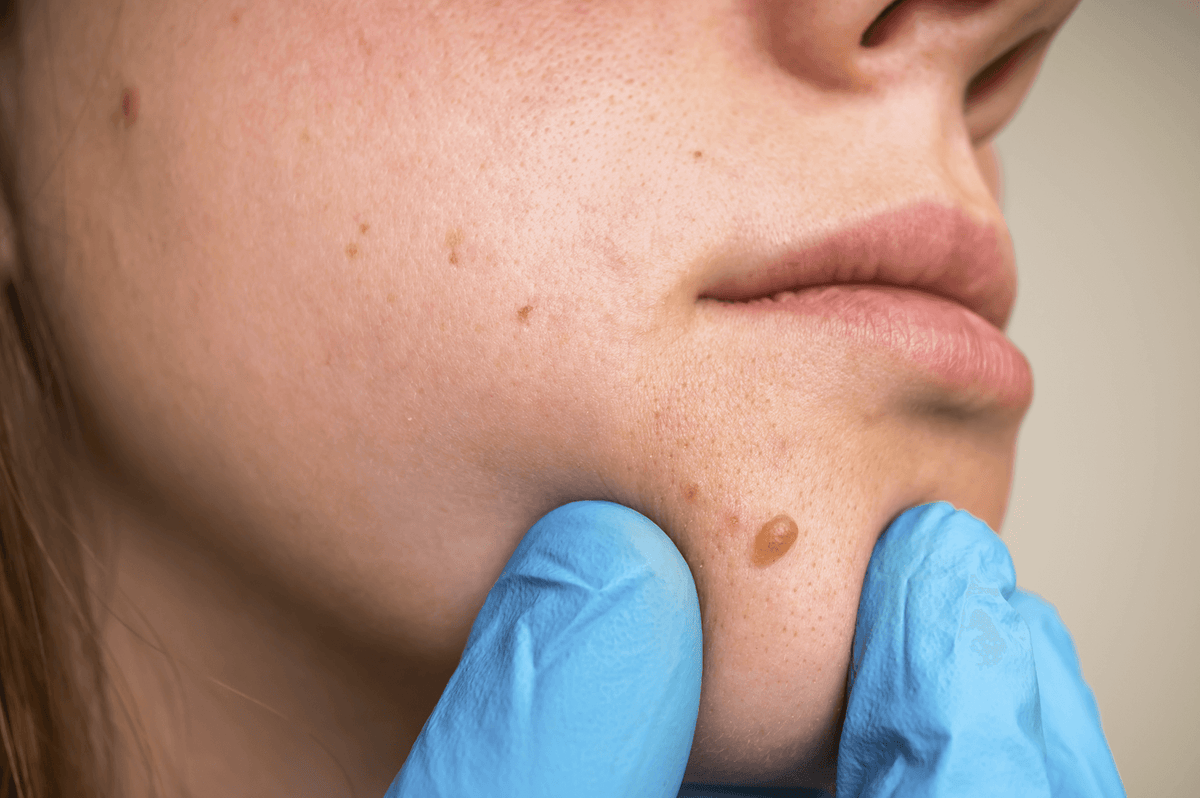
Skin cancer is the most common form of cancer. In general, cancer refers to the body's own cells that—due to mutations—begin to proliferate uncontrollably and, in certain cases, produce metastases. In principle, anyone can develop skin cancer, but there are certain factors that massively increase the risk. The most dangerous risk factor is intense UV exposure (sun, tanning beds). Thus, the highest number of patients with skin tumors is found in professional groups that are exposed to a lot of solar radiation due to their work (e.g., farmers). Further risk factors include: a particularly fair skin tone, a weakened immune system, a positive family history of skin tumors, many moles or skin spots, exposure to carcinogenic chemicals, and frequent sunburns. In general, skin tumors manifest more often in older people as a result of a cumulative effect that has developed over the years. However, it is important to mention that young people can also develop skin tumors.
There are different types of skin cancer. The most common are basal cell carcinoma (80%), followed by squamous cell carcinoma (16%). The rarest, but also most dangerous, is melanoma (4%).
Basal cell carcinomas and squamous cell carcinomas usually occur in areas of the body that have been excessively exposed to the sun or UV radiation. Melanoma, on the other hand, can also occur in areas of the body that were never excessively exposed.
The symptoms of a skin tumor can vary depending on the type of tumor. In most cases, skin cancer is asymptomatic in the early stages. In general, you should watch out for the following signs:
In general, it is advisable to show any suspicious skin change to a dermatologist. In case of doubt, a small tissue sample (biopsy) and histopathological examination can provide certainty for diagnosis and further therapy. It is also certainly sensible to undergo regular skin screenings: most skin tumors can be treated successfully and without consequences if they are detected early.
There are various parameters that influence the decision on how a skin tumor should be treated. On one hand, these include the patient's age and the feasibility of a surgical intervention. On the other hand, the location and operability of the tumor itself are factors. The most common form of therapy is surgical excision followed by histopathological examination. Only in this way can it be clarified with certainty whether the tumor has been completely removed. In some cases, however, various measures must be combined, especially in the presence of a locally advanced tumor and/or metastases.
In addition to surgical excision, there are also a number of other procedures: these include cryotherapy (freezing the lesion with liquid nitrogen), local chemotherapy (via the application of an ointment), or radiation therapy. However, the disadvantage of these latter procedures is that no histopathological examination takes place, and thus complete removal cannot be confirmed.
The reconstructive plastic surgeon plays an important role in the treatment of skin tumors, especially if the removal of the tumor can lead to a significant loss of skin tissue or impair the function or aesthetics of the affected area. While small excisions can be closed with stitches, extensive excisions often require reconstructive surgery.
Reconstructive surgery aims to cover the defect created by the excision and—if necessary—to restore the function of the affected area (e.g., nasal breathing after the removal of skin and cartilage).
The plastic surgeon generally has two methods available for this: covering with a skin graft (healthy skin is placed on the defect) and covering with a flap (here, tissue from the surroundings is mobilized and rotated into the defect). The goal here is to make the result as inconspicuous as possible. To achieve this, various things must be taken into account when planning the coverage, such as: adherence to aesthetic units on the face, skin thickness and color, and the planning of the incision.
There are no absolute rules that tell us which reconstructive procedure is best suited. Various factors must be considered, such as the age of the patient, the presence of other illnesses, and last but not least, the patient's own expectations. In general, the reconstruction aims to restore aesthetic balance, especially when performed on the face, although despite aesthetic demands, the most important goal remains the histologically confirmed, complete removal of the tumor.
ClinicAgostini has an operating theater equipped according to the highest hygiene and safety standards, where outpatient dermatosurgical procedures are performed. Dr. Agostini and Dr. Del Gaudio are happy to provide their patients with consultation to find the best possible individual solution.